

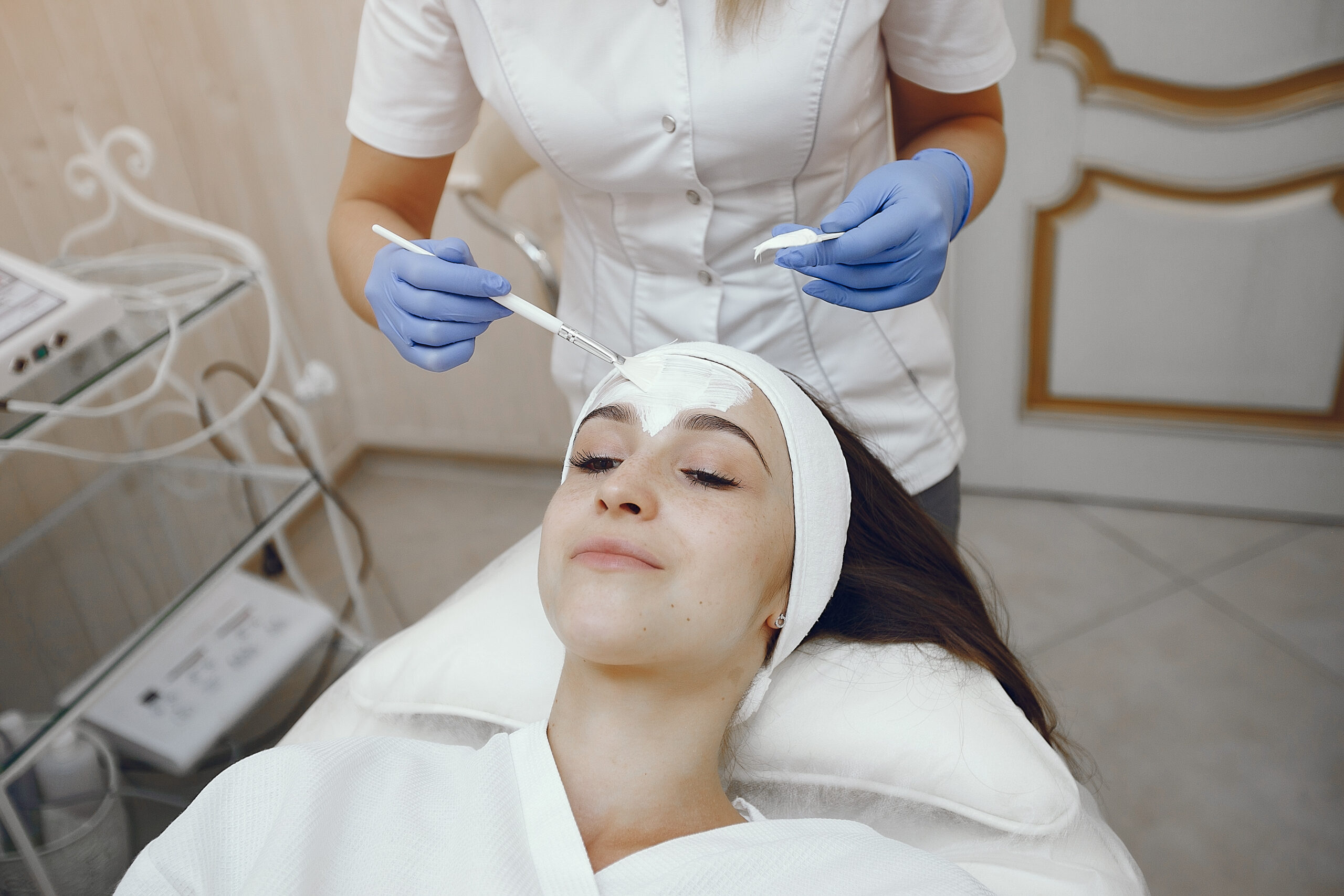
When comparing Hydrafacial vs chemical peel, begin with your skin concern and the exact treatment being offered. HydraFacial is a branded, multistep facial system, while “chemical peel” describes a broader category with different formulations and depths. Neither label alone establishes the right choice for your skin.
The comparison is not simply gentle versus strong, or hydration versus exfoliation. The products, protocol, skin history, current condition, and recovery expectations need to be reviewed together.
For a patient considering facial services in Richmond, Kentucky, the most useful outcome is a clear consultation: what the treatment is intended to address, why it may be suitable, what limitations apply, and what aftercare is required. A general article can help organize that conversation without replacing an individual assessment.
Define the Concern You Want to Address
Describe what is bothering you in plain language. You may be concerned about a dull appearance, congestion, uneven-looking tone, texture, or another issue.
Explain how long the concern has been present and what you have already tried. Include whether your skin is currently irritated or changing.
Avoid arriving with a diagnosis based on social media. Similar-looking concerns can require different assessment, and an aesthetic treatment may not be the appropriate first step for every change.
It is also useful to explain your priorities. Someone seeking a routine facial experience has different planning questions from someone hoping to address a persistent concern or scheduling around an important event. The provider needs that context before comparing procedures.
Understand What Is Included in the HydraFacial Offered
The Skin Suite describes HydraFacial within its facial services. Ask which treatment level, products, and optional steps are included in the appointment being discussed.
A brand name does not mean every provider’s appointment contains an identical sequence or the same additions. Confirm the actual protocol rather than comparing a basic description with another clinic’s expanded package.
Ask how the proposed treatment relates to your concern and what it is not intended to accomplish. A facial should not be presented as a guaranteed answer to every skin issue.
Also discuss product sensitivities and relevant treatment history. The consultation should connect the specific ingredients and steps with your circumstances, not rely solely on the general reputation of the system.
Understand the Range Within Chemical Peels
Chemical peels vary in formulation, intended effect, and recovery. A description of one peel should not be used to predict every other peel’s experience.
The American Academy of Dermatology’s chemical-peel overview explains that peels are used for different concerns and that some require downtime. That broad category needs to be narrowed to the actual treatment proposed.
Ask for the peel name and the provider’s explanation of its role. Find out which preparation and aftercare instructions apply.
Do not choose a peel based on an expectation that more visible peeling means a better result. The relevant questions are suitability, the treatment goal, and the professionally explained plan, not how dramatic a recovery photograph looks online.
Compare Specific Treatments on the Same Basis
A fair comparison needs equivalent information. Ask the provider to discuss the HydraFacial and the particular peel under consideration using the same headings.
Useful headings include intended concern, treatment steps, relevant exclusions, expected experience, aftercare, recovery considerations, and follow-up.
Avoid comparing a detailed peel discussion with a vague promise of instant glow. Likewise, do not compare a basic facial with the most intensive peel described on a general medical website.
Keep the comparison connected to what the clinic actually offers. A treatment not available or not appropriate for you should not become the basis for choosing between the real options. The consultation should narrow the decision, not create a contest between broad labels.
Discuss Recovery Without Treating It as a Guarantee
Ask what changes may occur after the specific treatment and how the provider expects you to care for your skin.
The AAD’s chemical-peel FAQs describe different recovery experiences across peel types. Those ranges are educational, not a personalized prediction for the peel offered at a particular clinic.
Be equally careful with an absolute “no downtime” expectation for a facial. Clarify what the provider means and which individual factors could change the plan.
Recovery is more than whether you can return to work. It includes product use, makeup questions, sun exposure, exercise or other relevant instructions, and how comfortable you may feel attending an event. Ask about those practical details directly.
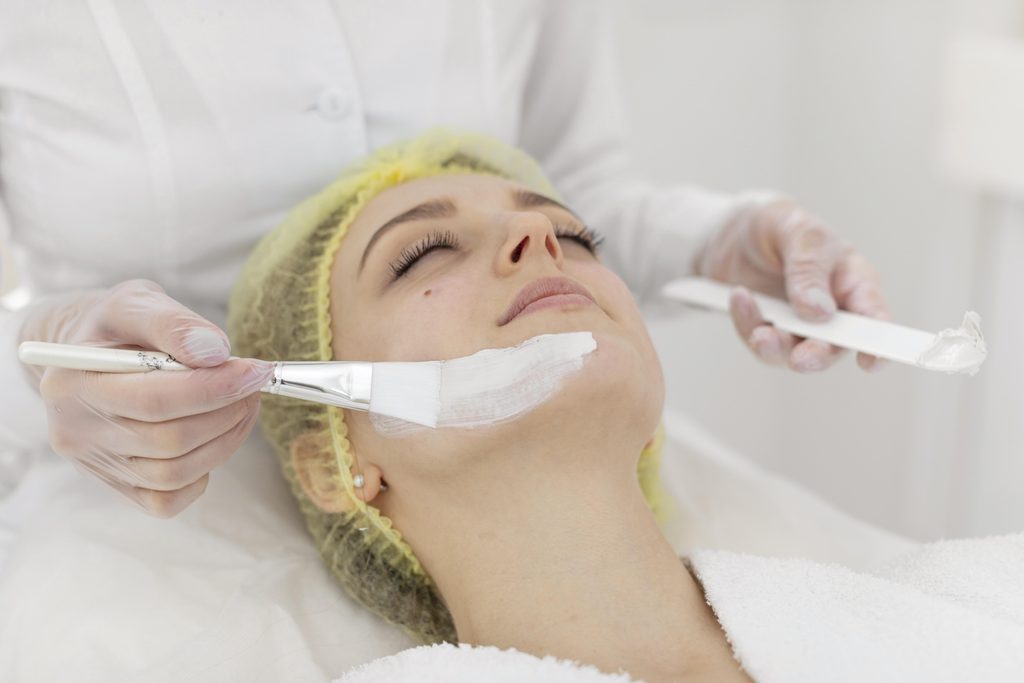
Bring Your Current Skincare and Treatment History
Prepare a list of products, medicines, recent procedures, and relevant skin reactions. Product names are more useful than a description such as “an active serum.”
Tell the clinician about prescribed skin treatment and other medical information requested during the consultation. Do not independently stop a prescription or change treatment in order to qualify for a facial.
Include recent irritation, sun exposure, or other changes the provider asks about. If something changes between consultation and appointment day, report it.
Accurate information helps the provider decide whether to proceed, modify the plan, or recommend another assessment. It is not an obstacle to the consultation; it is part of selecting an appropriate treatment.
Ask About Skin Tone and Pigment Concerns
Tell the provider if you have a history of pigment changes, persistent reactions, or other concerns relevant to treatment selection.
The AAD advises that people with darker skin tones should seek expertise appropriate to chemical-peel treatment because pigment complications require careful consideration. AAD chemical-peel guidance.
Ask about the provider’s assessment process and the specific treatment being proposed. Do not assume that a general statement about suitability applies to every formulation or every skin history.
If the concern involves a new, changing, or otherwise unexplained skin finding, ask whether medical evaluation is needed before an aesthetic procedure. The treatment choice should follow an appropriate assessment of the actual concern.
Plan Around Events With Realistic Expectations
A wedding, holiday gathering, or photograph can influence scheduling, but it should not override suitability or aftercare.
Tell the provider the event date and whether you have had the proposed treatment before. Ask how uncertainty should be handled, particularly when trying something new.
Do not book the most intensive option because the event is important. A stronger treatment label does not establish a more predictable result.
Leave the clinician room to recommend waiting, choosing a different approach, or addressing the concern over a longer plan. A useful consultation explains the tradeoffs without promising that every face will look a particular way by a specific date.
Understand the Aftercare Before Agreeing to Treatment
Ask for the written instructions and make sure you can follow them. Discuss cleansing, moisturizers, sun protection, makeup, and any product restrictions relevant to the procedure.
Clarify how long the instructions apply and whom to contact if the skin behaves differently from the explanation you were given.
Do not add home exfoliation, an unapproved peel, or a new active product because you want to extend the effect. Combining treatments without guidance can create a different situation from the plan assessed in clinic.
The aftercare discussion should also identify concerns that need prompt review. An article cannot determine whether a particular reaction is expected, so use the provider’s contact instructions and appropriate medical care when needed.
Compare Cost as Part of a Complete Plan
Ask what is included in the quoted appointment and whether any proposed additions, home products, or follow-up visits are separate.
A lower appointment price does not necessarily describe the same treatment. A more expensive package does not establish better suitability.
If a series is suggested, ask why, what would be reviewed between visits, and how the plan may change according to your response. Avoid treating a package count as a clinical recommendation by itself.
The decision should remain connected to the goal and the actual treatment. Clear financial information supports an informed choice, but it does not replace a discussion of benefits, limitations, and appropriate alternatives.
Know That Choosing Neither Can Be a Valid Outcome
A comparison article can create the impression that you must select one of two procedures. In practice, the appropriate next step may be a product review, a different service, a medical assessment, or no treatment at that time.
Ask what would make the provider recommend postponing the appointment. Understand how current irritation, recent treatment, or another circumstance changes the decision.
This keeps the consultation focused on your skin rather than on filling a predetermined booking.
The Skin Suite lists facial and skincare services in Richmond. Discussing the actual options with the team allows the comparison to reflect its protocols and your circumstances instead of general claims made for a whole treatment category.
Make the Comparison Useful to Your Decision
The useful answer to Hydrafacial vs chemical peel is a specific explanation of the proposed treatment, its fit with your concern, and the care it requires.
Bring your history, describe your priorities, and ask about the exact products and steps. Compare recovery, aftercare, and cost on the same basis.
You should leave the discussion understanding what is being recommended and why, including the limits of what it can do. That is a stronger basis for a facial appointment than choosing the procedure with the most dramatic description or the shortest advertised recovery.
The Skin Suite company information provides background for choosing whom to contact with your treatment questions and discussing who will assess your skin.
Frequently Asked Questions
Is HydraFacial always gentler than a chemical peel?
Do not rely on that broad comparison. The actual HydraFacial protocol, peel formulation, skin condition, and individual history matter. Ask the provider to compare the specific options being offered rather than using “gentle” or “strong” as a substitute for suitability and recovery information.
Do all chemical peels cause the same amount of peeling?
No. Chemical peels vary, and visible peeling is not a universal measure of treatment value. Ask about the specific peel, expected experience, and aftercare. Do not choose a procedure based on an online recovery photograph or assume that more dramatic peeling guarantees a better outcome.
Can I schedule either treatment immediately before an event?
Discuss the event date and your treatment history with the provider first. Recovery and individual responses can vary, particularly with a new procedure. Do not assume a general no-downtime description guarantees a particular appearance by the event. Suitability and aftercare should guide the schedule.
Should I stop my current skincare products before treatment?
Ask the responsible clinician for instructions based on the actual products and procedure. Provide names or photographs of labels, including prescribed treatments. Do not independently stop medicines or add a home peel to prepare. The team should explain which changes, if any, are appropriate.
What if neither option suits my current skin?
The provider may recommend postponing, reviewing products, considering another approach, or obtaining medical assessment. You do not have to choose a procedure simply because you booked a consultation. The useful outcome is a plan that fits the concern and current condition, with its reasoning explained.
Compare Your Options With The Skin Suite
Explore The Skin Suite’s facial services in Richmond, Kentucky, and discuss your goals, history, and timing with the team. Ask for a treatment-specific comparison so your decision is based on an informed consultation.